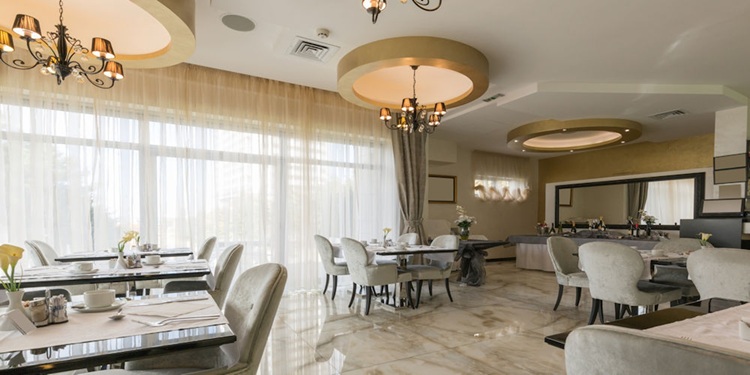
Commercial interior design has moved from being a nice-to-have finishing touch to a central lever of business performance. In an era of intense competition, shifting employee expectations and rapidly evolving customer behaviours, the spaces in which people work, shop, socialise and stay have become powerful strategic tools. Modern workplaces, retail environments, leisure venues and hospitality settings are now judged not only on how they look, but on how effectively they support productivity, express brand values and shape memorable customer experiences.
The rise and rise of commercial interior design reflects a simple truth: well-designed business interiors do more than decorate; they influence how people feel, behave and connect with your organisation. For any business serious about growth, differentiation and long-term relevance, the design of its commercial spaces has never mattered more.
From Afterthought to Strategic Asset: A Brief History of Commercial Interior Design
Commercial interiors were once treated as an afterthought – functional shells filled with desks, shelves or seats after the real business decisions had been made. Over time, however, businesses began to realise that the design of offices, shops, hotels and restaurants played a direct role in performance and profitability. The evolution of commercial interiors tells this story clearly: from regimented, hierarchical office layouts to open-plan, collaborative environments; from basic retail shells to carefully choreographed customer journeys; from purely practical hospitality spaces to immersive, memorable destinations.
Throughout the history of office, retail, and hospitality interiors, design has steadily shifted from purely decorative to an integral part of business strategy. Today, forward-thinking companies treat interior design as a strategic asset – a way to reinforce culture, drive sales, support new ways of working and differentiate their brand in crowded markets.
How Interior Design Brings Your Brand to Life
Your brand does not live only in your logo, website or marketing campaigns; it lives most powerfully in the real spaces where people encounter your business. Commercial interior design turns abstract brand values into tangible, three-dimensional experiences. Through carefully considered materials, colours, layouts and lighting, branded environments communicate who you are before a word is spoken. Experiential design and storytelling through space allow you to guide customers and employees along a narrative that reflects your history, ambition, and point of difference. When interiors are aligned with your brand identity, every touchpoint – from reception areas and meeting rooms to shop floors and hotel lobbies – reinforces a consistent message and strengthens customer perception. This 3D expression of your brand builds trust, boosts recognition, and ensures that what you say as a business is perfectly matched by what people see, feel, and remember when they step into your space.
The New Workplace: Commercial Interior Design
The way we work has changed dramatically, and commercial interior design is playing a crucial role in helping organisations adapt. As hybrid office design, agile workplaces and flexible workspaces become the norm, interiors must support a blend of in-person and remote work, individual focus and collaboration, structured meetings and informal encounters. Hot-desking, activity-based working and tech-enabled collaboration spaces are no longer experimental concepts but essential components of the post-pandemic office.
Smart workplace design helps attract people back into the office by offering something they cannot get at home: spaces that foster connection, creativity and a sense of belonging. In this new era, commercial interiors must be adaptable, intuitive and resilient, enabling businesses to reconfigure space as teams evolve and working patterns shift. The new workplace is not just a backdrop to work; it is a dynamic environment that actively supports productivity, engagement and organisational change.
Designing for Wellbeing: People-Centred Commercial Interiors
Businesses increasingly recognise that the wellbeing of their people is directly linked to performance, retention and reputation. People-centred commercial interiors place wellbeing at work at the heart of design decisions, prioritising factors that support both physical and mental health. Biophilic design, natural light, access to greenery and views, along with thoughtful ergonomics, acoustic comfort and good air quality, create environments where people feel energised rather than exhausted.
Spaces designed with mental health in mind – offering quiet zones, restorative areas and a sense of psychological safety – can reduce stress and burnout. By investing in wellbeing-focused interiors, organisations benefit from higher staff retention, improved morale and measurable gains in productivity. In a competitive labour market, workplaces that genuinely care for people through design send a powerful message and gain a clear advantage.
Retail, Leisure and Hospitality: Creating Experiences, Not Just Spaces
In retail, leisure and hospitality, customers are no longer satisfied with purely transactional environments; they are seeking experiences that are memorable, shareable and worth returning to. Retail interior design now focuses on customer journey mapping and experiential retail, guiding visitors through spaces that surprise, delight and invite interaction with products and services. Hospitality design trends emphasise unique restaurant interiors, welcoming hotel lobbies and immersive environments that reflect local culture, concept narratives or brand stories.
Well-crafted commercial interiors in these sectors can increase dwell time, drive higher spend and inspire loyalty, turning occasional visitors into regular advocates. By creating experiences rather than just spaces, businesses transform their physical environments into powerful engines of brand differentiation and revenue growth.
Sustainability and ESG: Why Responsible Design Is Now a Commercial Imperative
Sustainability is no longer a niche concern; it sits at the core of corporate responsibility and investor expectations. Sustainable commercial interiors align with broader ESG (Environmental, Social and Governance) goals, helping organisations demonstrate tangible commitment to the planet and to future generations. Thoughtful choices around low-carbon materials, circular design principles, and the reuse or refurbishment of existing assets can significantly reduce environmental impact and lifecycle costs. Certification frameworks such as BREEAM and LEED provide recognised benchmarks for responsible design, while energy-efficient lighting, smart controls and responsible sourcing deliver both ethical and financial benefits.
Today, clients, customers and employees increasingly expect the spaces they use to reflect sustainable values. Designing with ESG in mind is not just the right thing to do; it is a commercial imperative that protects reputation, enhances brand value and supports long-term resilience.
Technology-Driven Spaces: Smart, Connected and Ready for the Future
Technology is now woven into the fabric of effective commercial interior design. Smart offices and technology-rich workplaces incorporate integrated AV systems, IoT-enabled sensors, smart lighting and digital collaboration tools to create environments that are more intuitive, efficient and future-ready. From touchless technology that enhances hygiene and user experience to connected systems that monitor occupancy, energy use and comfort levels, technology-driven spaces can continuously adapt to how they are actually used. Robust digital infrastructure and carefully planned integration ensure that technology enhances, rather than overwhelms, the human experience of the space.
By designing with innovation in mind, businesses futureproof their interiors, enabling them to accommodate new tools, working patterns and customer expectations as they emerge.
Return on Design: Proving the Business Value of Commercial Interiors
Well-designed commercial interiors are not merely a cost; they are an investment that can deliver clear, measurable returns. By looking at metrics such as employee engagement, space efficiency, reduced staff churn, increased sales and longer dwell time, businesses can quantify the ROI of design. Thoughtful workplace layouts can reduce wasted space, lowering property costs while improving collaboration. Retail and hospitality environments that are carefully optimised can lift conversion rates and average spend. Environments that staff are proud to work in support recruitment, retention and employer branding, reducing the high costs associated with turnover. A cost-effective fit-out, guided by a strategic design approach, can therefore pay for itself many times over.
Demonstrating this measurable design impact turns interiors into a powerful argument at board level and underlines why design decisions should be made with data as well as creativity.
Key Trends Shaping the Next Wave of Commercial Interior Design
Commercial interior design is evolving rapidly, driven by cultural shifts, technological advances and new expectations of how spaces should perform. Key trends include hybrid hospitality concepts that blur the boundaries between work, leisure and living; resimercial design that brings the comfort and warmth of the home into workplaces; and modular furniture that allows spaces to be reconfigured quickly as needs change.
Adaptive, multi-purpose environments are becoming standard, enabling businesses to host a variety of activities throughout the day or week within the same footprint. Inclusive design ensures that spaces work for people of all ages, backgrounds and abilities, reflecting both ethical commitments and legal responsibilities.
Together, these trends are reshaping what clients and users expect from commercial interiors, pushing designers to create spaces that are more flexible, human-centred and resilient than ever before.
Choosing the Right Commercial Interior Design Partner for Your Project
Selecting the right commercial interior designers in the UK can significantly influence the success of your project. A strong design consultancy will combine creative flair with a clear understanding of workplace strategy, brand, operations and budget. Whether you choose a pure design practice or a design-and-build partner, it is essential to assess their experience in your sector, their approach to stakeholder engagement, and their ability to translate a project brief into a coherent, achievable vision. The best partners will challenge and refine your thinking, help prioritise investment and guide you through budget planning to avoid costly surprises later on.
By choosing a design partner who understands your objectives and measures success in both business and aesthetic terms, you position your project to deliver lasting value.
From Concept to Completion: The Commercial Interior Design Process Explained
A successful commercial interior does not happen by accident; it follows a structured, collaborative journey from initial idea to post-occupancy review. The process often begins with workplace consultancy or strategic briefing, where the design team works to understand your organisation, culture, brand and goals. This insight informs space planning, exploring how best to use your floorplate to support different activities and flows. 3D visualisations and mood boards then bring concepts to life, allowing stakeholders to see and refine the proposed environment before committing. During the fit-out and refurbishment stages, detailed design is translated into reality, coordinated with contractors, suppliers and specialist trades.
Change management ensures that staff or operators are supported as they move into the new environment, helping them understand and embrace new ways of working or serving customers. Finally, a post-occupancy review assesses how well the space is performing against original objectives, closing the loop and informing future improvements.
Capitalising on the Rise and Rise of Commercial Interior Design
Commercial interior design has emerged as a powerful strategic investment that touches every aspect of business performance – from employee wellbeing and productivity to customer loyalty and brand strength. As competition intensifies and expectations rise, organisations that treat their interiors as a source of competitive advantage will be best placed to thrive.
Future-ready workplaces, engaging retail and hospitality environments, and responsibly designed spaces aligned with ESG principles all contribute to a stronger, more resilient business. By approaching interiors not as a cosmetic afterthought, but as a means of elevating customer experience and unlocking untapped business potential, companies can ensure they are not simply keeping up with change, but actively shaping it to their advantage.