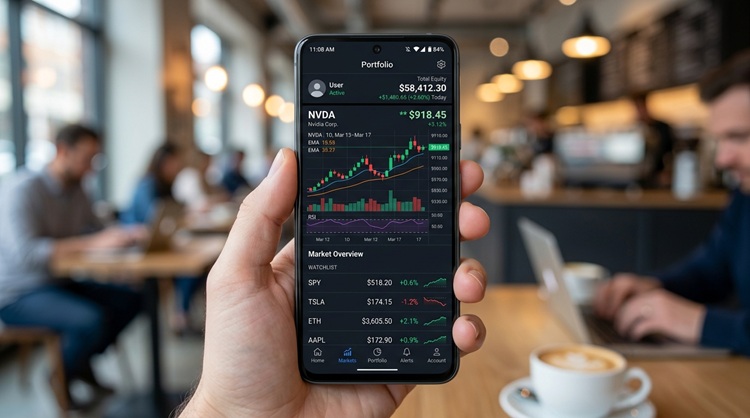
India’s financial ecosystem has experienced significant growth in recent years as more individuals are becoming aware of wealth creation opportunities through the stock market. The rise of digital investing platforms has made opening a Demat Account a simple and convenient process for retail investors across the country. Along with equity investments, many active traders are also exploring Option Trading to take advantage of market movements using strategic methods. This growing interest in market participation reflects the increasing financial awareness among Indian investors who are looking for disciplined and technology-driven investment solutions.
Table of Contents
Changing Investment Habits Among Indian Investors
The mindset of Indian buyers has evolved, especially in the last decade. In the past, many people preferred traditional financial savings strategies because they considered unstable or misunderstood investments as reserve markets. Today, economic literacy and virtual accessibility have encouraged people to explore modern financing options with greater confidence.
Young professionals and salaried employees actually prioritise long-term monetary construction plans over the easiest reliance on traditional savings tools. The investment process for first-time contributors is simplified with the comfort of mobile trading applications and online investment platforms. Investors can complete registration, verification, and account setup digitally without travelling to physical offices.
Financial education has also improved significantly. Investors now have access to webinar analysis, educational videos, and expert insights to help them better understand market trends. This progressive knowledge encourages buyers to make informed monetary choices as opposed to total reliance on market hypotheses or rumours.
Importance of Understanding Market Risk
Every investment involves a certain level of crisis, expertise and this reality is critical to success in the long run. Many beginners invest in the market with unrealistic expectations of earning a short-term income. But experienced investors know that economic growth generally requires endurance, research and disciplined decision-making.
Market volatility is a natural part of investing. Share prices may vary due to the organisation’s overall performance, monetary conditions, coverage announcements, and investor sentiment. Individuals who react emotionally to a market correction often make impulsive decisions that negatively impact their portfolios. Maintaining a comfortable and balanced technique can help investors navigate uncertain market conditions more efficiently.
Risk management is one of the most important aspects of investing success. Investors who allocate their capital wisely and avoid overhype in a quarter are often in a better position to break even. Diversification across industries and investment classes can reduce the impact of surprise market fluctuations and create a more balanced economic outlook.
Role of Technology in Modern Investing
Technology has changed the way Indians participate in financial markets. In the past, investors were wary of complex bureaucracy, behind-the-scenes issues, and reliance on traditional brokerage systems. Today, investors can gain instant access to the stock market through smartphones and virtual trading platforms.
Modern software provides real-time inventory costs, technical charts, portfolio analysis tools, and market signals on one screen. These features allow traders to display market activity and make timely selections. Faster execution systems and lower brokerage costs have similarly multiplied trading participation in the storage market.
Security within virtual investment platforms has also advanced significantly. Strong verification mechanisms, anonymous transactions, and regulatory oversight are the most beneficial consensus among investors. Digital investments are now considered safer, extra transparent and more at hand than ever before.
The comfort provided by technology has encouraged younger generations to invest earlier. Financial awareness campaigns and online educational resources recognise the importance of disciplined investing in people and promote long-term wealth.
Why Research Matters Before Investing
Research plays a critical role in building a successful investment strategy. Investors who make decisions without proper analysis often face unnecessary risks and inconsistent returns. Studying company fundamentals, industry performance, and market trends helps individuals make more informed choices.
Fundamental analysis involves evaluating factors such as company earnings, revenue growth, debt levels, and business expansion potential. Investors who understand these elements can identify businesses with strong long-term prospects. Technical analysis focuses on price patterns, trading volume, and chart indicators to understand market trends and trading opportunities.
Investors who regularly follow financial news and market developments are often better prepared to respond to changing conditions. Sector-based research is also important because different industries perform differently depending on economic trends and government policies. Understanding these dynamics can help investors identify promising opportunities within the Indian market.
Continuous learning is equally essential because financial markets evolve constantly. Investors who remain updated with market developments and improve their knowledge over time generally make more confident and strategic investment decisions.
Building Long-Term Financial Stability
Long-term economic stability is generally achieved through compliance and disciplined planning as opposed to short-term speculation. Investors recognised for sequential wealth creation typically stay away from emotional opportunities and commit to their monetary desires throughout market volatility.
A balanced portfolio is critical to handling an investment crisis effectively. Concentrating all investments in one stock or sector can increase economic risk during periods of uncertain market conditions. Diversification helps spread risk and improves investment portfolio stability over the years.
Patience is another important element of a hit when investing. Financial markets obviously have periods of growth and correction, and temporary volatility should no longer distract traders from long-term goals. Individuals who remain disciplined and refrain from panic-polished choices are often much more likely to make sustainable economic growth.
Regular portfolio assessment is also essential to ensure that investments are aligned with changing economic needs and market conditions. Investors who periodically evaluate their strategies can make better adjustments according to their future plans and risk tolerance.
Future of Retail Investing in India
India’s investment landscape is expected to continue expanding as financial literacy and digital infrastructure improve across the country. More individuals are understanding the importance of investing as part of long-term financial planning and wealth creation. This growing participation from retail investors reflects increasing confidence in India’s economic development and financial ecosystem.
The future of investing in India will likely be driven by technology, financial education, and easier access to investment services. Investors who focus on research, discipline, and strategic planning are expected to benefit the most from future market opportunities. As awareness continues to grow, the Indian stock market will remain an important platform for individuals aiming to achieve financial independence and long-term prosperity.